Strategic Brand Positioning with Epydemic: A Futuristic Typography Guide
In the crowded digital landscape, visual identity is often the first point of contact between a brand and its audience. While color psychology and layout structures receive significant attention, typography remains a critical, yet frequently underutilized, lever for strategic communication. Epydemic represents a specific intersection of form and function, offering a futuristic aesthetic that goes beyond mere decoration. For entrepreneurs, marketers, and creative directors aiming to position their ventures at the forefront of innovation, understanding how to deploy this typeface intentionally can significantly impact brand perception and user engagement.
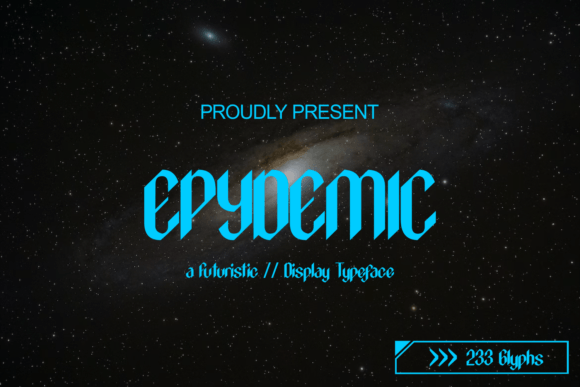
Epydemic is not simply a collection of characters; it is a design statement rooted in the Modern theme while maintaining a distinct simplicity. Its unique shapes and forward-looking style make it an ideal candidate for projects related to games, future technology, space travel, and virtual reality. However, the strategic value of Epydemic extends further than these obvious niches. When applied with foresight, it serves as a tool for signaling progress, disrupting traditional norms, and establishing a clear market position for brands that wish to be perceived as pioneers rather than followers.
Defining the Aesthetic and Strategic Utility
To leverage Epydemic effectively, one must first understand its core characteristics. The font draws inspiration from modernist principles but injects a sci-fi sensibility through unique glyph construction. It avoids the clutter often associated with "futuristic" fonts, opting instead for clean lines and geometric precision. This balance is crucial. A font that is too ornate can hinder readability and alienate users, while one that is too generic fails to differentiate the brand. Epydemic strikes a middle ground, offering enough visual interest to capture attention without sacrificing the clarity required for effective communication.
The strategic utility of Epydemic lies in its ability to evoke specific emotional responses associated with advancement and exploration. When a potential customer encounters this typeface on a landing page, a game interface, or a product packaging, the subconscious association is immediate: this brand is looking forward. For businesses operating in the tech sector, this alignment between visual identity and core mission is vital. It reinforces the narrative that the company is not just participating in the current market but is actively shaping the future of it.
Furthermore, the simplicity inherent in Epydemic ensures versatility. Unlike many display fonts that are restricted to large headlines, the clean structure of Epydemic allows it to perform well in various sizes, provided it is used within its intended context. This adaptability makes it a practical choice for comprehensive branding systems where consistency across different media—from mobile screens to large-format prints—is essential for building brand recall.
Aligning Typography with Business Goals and Planning
Integrating a distinctive font like Epydemic into a broader business strategy requires more than aesthetic preference; it demands alignment with overarching goals. Before committing to this typeface, decision-makers should evaluate whether the brand's trajectory supports a futuristic narrative. If the goal is to project stability, tradition, or heritage, Epydemic may create cognitive dissonance. However, if the objective is to disrupt a stagnant industry, launch a cutting-edge SaaS platform, or introduce an immersive gaming experience, Epydemic becomes a powerful asset in the planning phase.
Consider the role of typography in customer experience (CX). In the realm of virtual reality and interactive media, the interface is the environment. Using a font that feels native to that environment enhances immersion. Epydemic's unique shapes can serve as UI elements that feel organic to a sci-fi setting, reducing the friction between the user and the digital world. This thoughtful application directly contributes to higher engagement rates and longer session times, which are key performance indicators for many digital products.
From an operational standpoint, adopting a strong typographic voice streamlines content creation. When the visual language is clearly defined, marketing teams spend less time debating design choices and more time focusing on message delivery. Epydemic provides a clear directive: keep it modern, keep it bold, and keep it focused on the future. This clarity can accelerate production cycles for campaigns, ensuring that all outputs maintain a cohesive look and feel that reinforces the brand's positioning.
Practical Applications Across Industries
While Epydemic is naturally suited for space travel and technology themes, its application can be expanded creatively to other sectors looking to innovate. Here are several strategic use cases where Epydemic can drive results:
- Gaming and Esports: Use Epydemic for game titles, HUD interfaces, and promotional materials to instantly signal the genre and tone. Its sharp edges and unique forms resonate well with gamers who expect high-tech aesthetics.
- Crypto and Fintech Startups: New financial platforms often struggle to appear both secure and innovative. Epydemic can help bridge this gap by presenting a image of next-generation security and streamlined digital transactions.
- Virtual Reality Experiences: In VR environments, text must be legible yet atmospheric. Epydemic's design ensures readability against complex backgrounds while maintaining the illusion of a constructed, digital reality.
- Tech Conferences and Events: Event branding benefits heavily from typography that suggests forward momentum. Using Epydemic in signage and digital assets can elevate the perceived value of the event, attracting speakers and attendees who are industry leaders.
- Product Packaging for Electronics: For hardware manufacturers, the unboxing experience is part of the product. Packaging featuring Epydemic communicates premium quality and technological sophistication before the device is even powered on.
In each of these scenarios, the font acts as a shorthand for the brand's values. It tells the audience what to expect before they have consumed a single word of copy. This pre-emptive communication is a powerful tool in marketing, reducing the cognitive load on the consumer and guiding them toward the desired interpretation of the brand.
Risks and Considerations for Intentional Use
Despite its strengths, relying on Epydemic without a clear strategic framework carries risks. The primary danger is context mismatch. Applying a futuristic font to a brand that relies on warmth, nostalgia, or organic qualities can confuse the audience and dilute the brand message. For instance, a local bakery or a wellness retreat might find that the cold, geometric nature of Epydemic creates a barrier rather than an invitation. Decision-makers must rigorously audit their brand personality before adoption.
Another consideration is readability and accessibility. While Epydemic is designed with simplicity in mind, its unique shapes can pose challenges in long-form body text or for users with visual impairments. Best practices dictate using Epydemic primarily for headings, logos, and short call-to-action buttons, while pairing it with a highly legible sans-serif font for body copy. This hierarchy ensures that the brand maintains its futuristic flair without compromising the usability of the content.
Overuse is also a potential pitfall. When every element of a design screams "future," the effect can become overwhelming and lose its impact. Strategic restraint is key. Use Epydemic to highlight key messages and establish tone, but allow whitespace and other design elements to breathe. This approach demonstrates confidence and sophistication, whereas saturation can appear amateurish and desperate for attention.
Long-Term Value and Brand Evolution
Investing in a distinctive typeface like Epydemic is an investment in long-term brand equity. As markets evolve and technologies advance, brands that have successfully anchored themselves in a forward-thinking identity will find it easier to pivot and adapt. Epydemic provides a visual foundation that is inherently flexible; it does not tie a brand to a specific year or trend but rather to a timeless concept of progress.
For educators and publishers focusing on STEM subjects, using Epydemic in educational materials can make complex topics feel more accessible and exciting to younger generations. It signals that the content is relevant and up-to-date, fostering a learning environment that encourages curiosity about the future. Similarly, for freelancers and consultants, incorporating Epydemic into personal branding can differentiate them in a saturated market, positioning them as experts who are ahead of the curve.
Ultimately, the decision to use Epydemic should be driven by a desire to communicate a specific vision. It is a tool for those who are not afraid to stand out and who understand that every pixel contributes to the overall narrative. By approaching typography with the same rigor as business strategy, organizations can ensure that their visual identity supports their goals, enhances their operations, and delivers a consistent, compelling experience to their audience.
In conclusion, Epydemic offers more than just a unique style; it offers a strategic advantage for brands ready to embrace the future. Whether launching a new game, rebranding a tech startup, or designing an immersive experience, the thoughtful application of this font can elevate a project from standard to exceptional. The key lies in intentionality—understanding when to use it, how to pair it, and why it matters in the broader context of brand communication. With careful planning and execution, Epydemic can be the catalyst that transforms a good idea into a visionary reality.