Unlocking Creative Potential: Why Honeycomb is the Ultimate Decorative Font for Modern Design
In the vast and ever-evolving landscape of graphic design, typography serves as the voice of visual communication. It is not merely about selecting letters; it is about choosing a tone, setting a mood, and creating an immediate emotional connection with the viewer. Among the myriad of typefaces available today, one stands out for its unique blend of geometric precision and organic warmth: Honeycomb. This cool and dramatic decorative font has rapidly become a favorite among designers, crafters, and business owners alike. Whether you are designing a logo, creating handmade invitations, or developing a brand identity, adding Honeycomb confidently to your projects ensures results that are both memorable and visually striking.
What Makes Honeycomb Unique?
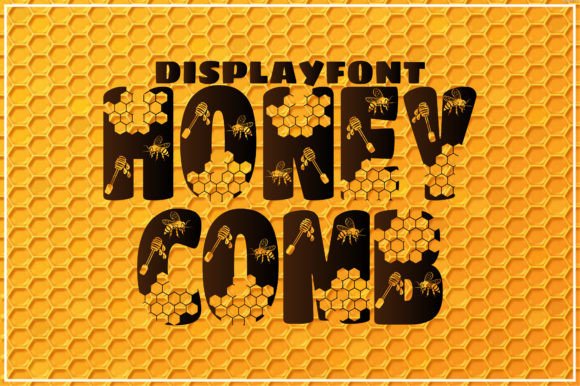
To truly appreciate the value of the Honeycomb font, one must first understand its structural DNA. As the name suggests, this typeface draws heavy inspiration from the natural hexagonal patterns found in beehives. However, it is not a literal representation; rather, it is a stylized interpretation that balances rigid geometry with fluid creativity. The result is a font that feels constructed yet approachable, modern yet timeless.
The "cool" factor of Honeycomb lies in its clean lines and sharp angles, which give it a contemporary edge suitable for tech startups, fashion brands, and urban art. Conversely, its "dramatic" nature comes from the bold weight and distinctive character shapes that demand attention without screaming. Unlike many decorative fonts that sacrifice readability for style, Honeycomb maintains a high level of legibility even at smaller sizes, making it incredibly versatile. This duality allows it to fit seamlessly into various contexts, from digital screens to physical print materials.
The Intersection of Nature and Geometry
One of the most fascinating aspects of Honeycomb is how it bridges the gap between the organic world and mathematical order. In design theory, hexagons are often associated with efficiency, strength, and community—traits inherent in a honeycomb structure. By embedding these associations into the letterforms, the font subconsciously communicates stability and harmony to the audience. This makes it an excellent choice for businesses in the wellness, eco-friendly, or architectural sectors where trust and structure are paramount.
Furthermore, the dramatic flair of the font adds a layer of sophistication. It avoids the trap of being too playful or childish, a common pitfall for themed fonts. Instead, it exudes a professional confidence. When you use Honeycomb, you are telling your audience that your project is well-thought-out and aesthetically considered.
Practical Applications in Design and Craft
The versatility of Honeycomb extends far beyond theoretical design concepts. Its practical relevance is evident in the sheer number of applications where it shines. For graphic designers, it offers a fresh alternative to standard sans-serif or serif fonts when a headline needs to pop. For crafters and DIY enthusiasts, it provides a professional look to handmade goods that can elevate a hobby into a small business.
- Branding and Logos: The distinct shapes make for iconic logos that are easily recognizable. Imagine a coffee shop or a boutique using Honeycomb for their signage; the font instantly conveys a sense of artisanal quality.
- Packaging Design: Product labels require fonts that stand out on crowded shelves. Honeycomb's dramatic presence ensures your product catches the eye of potential customers.
- Wedding and Event Stationery: While often associated with modern designs, the geometric elegance of Honeycomb works beautifully for contemporary wedding invitations, adding a touch of chic sophistication.
- Digital Media: From YouTube thumbnails to social media graphics, the bold strokes of this font remain crisp and clear on various screen resolutions.
Consider a scenario where a local bakery wants to rebrand. They want to move away from the traditional cursive scripts that dominate the industry and aim for a more modern, hip vibe. By implementing Honeycomb in their menu boards and cup sleeves, they instantly signal a shift towards innovation while maintaining a warm, inviting atmosphere through the font's inherent connection to nature (honey).
Enhancing Creativity in Education and Technology
Beyond commercial use, Honeycomb finds a home in educational and technological environments. In education, teachers can use this font to create engaging classroom materials that capture students' attention. The geometric basis of the letters can even serve as a teaching tool for discussing shapes and patterns in mathematics or art classes. It demonstrates how typography is not just an artistic endeavor but also a structural one.
In the realm of technology, where minimalism often reigns supreme, Honeycomb offers a way to inject personality without cluttering the interface. App developers and web designers can use it for headers and call-to-action buttons to guide user attention effectively. Its clarity ensures that users do not struggle to read important information, adhering to the principles of good user experience (UX) design.
Common Misunderstandings About Decorative Fonts
Despite its growing popularity, there are still some misconceptions surrounding decorative fonts like Honeycomb. A common assumption is that such fonts are limited to specific niches or cannot be used for body text. While it is true that decorative fonts are best suited for headlines and short bursts of text, Honeycomb defies the expectation of being purely ornamental. Its balanced proportions allow it to function in short paragraphs or lists where a standard font might feel too bland.
Another misunderstanding is that dramatic fonts are difficult to pair with other typefaces. On the contrary, Honeycomb's neutral yet distinct character makes it an excellent partner for simple sans-serif fonts. The key is contrast: pairing the complex geometry of Honeycomb with a clean, minimalist font creates a dynamic visual hierarchy that guides the reader's eye naturally through the content.
- Misconception: It is only for children's projects.
Reality: Its sophisticated geometry makes it suitable for high-end corporate and luxury branding. - Misconception: It is hard to read.
Reality: The open counters and clear distinctions between characters ensure high legibility. - Misconception: It lacks emotional depth.
Reality: The connection to natural structures evokes feelings of community, strength, and organic growth.
How to Integrate Honeycomb into Your Workflow
Adding Honeycomb to your creative toolkit is a straightforward process that can yield immediate improvements in your design output. The first step is to acquire the font from a reputable source, ensuring you have the correct licensing for your intended use, whether personal or commercial. Once installed, experiment with it in your preferred design software.
Start by replacing standard headings in your existing projects with Honeycomb. Observe how the change alters the overall feel of the design. Does it feel more energetic? More structured? Use this observation to refine your approach. Remember, the goal is not to force the font into every project but to recognize where its specific strengths can enhance your message.
For those new to typography, a helpful tip is to play with spacing. Decorative fonts often benefit from adjusted kerning (the space between individual letters) and leading (the space between lines). Slightly increasing the spacing in Honeycomb can amplify its dramatic effect, giving the letters room to breathe and emphasizing their geometric shapes.
The Future of Decorative Typography
As we move further into a digital-first world, the demand for unique and expressive typography continues to grow. People are tired of generic templates; they crave authenticity and personality. Fonts like Honeycomb represent the future of design tools—resources that empower creators to express complex ideas through simple yet powerful visual elements. They bridge the gap between human creativity and digital precision.
Moreover, the rise of maker culture and the gig economy means that more individuals than ever are responsible for their own branding. From Etsy sellers to freelance consultants, the ability to produce professional-grade visuals is crucial. Honeycomb democratizes high-quality design, allowing anyone with a computer and a vision to create stunning results that rival those of established agencies.
Conclusion
In conclusion, Honeycomb is more than just a set of characters; it is a design solution that combines aesthetic appeal with functional utility. Its cool, dramatic presence makes it perfectly suitable for any design or crafty idea, offering a unique voice in a crowded visual landscape. By understanding its roots in geometry and nature, and by recognizing its versatility across different mediums, you can leverage this font to elevate your work.
Whether you are a seasoned designer looking for fresh inspiration or a beginner eager to make your mark, Honeycomb invites you to experiment. Add it confidently to your projects, and you will love the results. The right font can transform a good idea into a great one, and with Honeycomb, you have a powerful ally in your creative journey. Embrace the structure, enjoy the drama, and let your designs buzz with life.